A diagnosis of right-side paralysis can be frightening for patients and their families. One of the first questions people ask is, how long does right side paralysis recovery take, and will the patient be able to walk normally again?
Recovery depends on several factors, including the cause of paralysis, the severity of brain injury, the patient's age, overall health, and the rehabilitation they receive. Some patients regain movement within weeks, while others may need several months or longer.
Understanding the right side paralysis recovery time, available treatment options, and essential precautions can help families make informed decisions and support their loved ones throughout recovery.
What Is Right-Side Paralysis?
Right-side paralysis, medically known as right hemiplegia when one side of the body is completely paralysed, refers to the loss of movement or significant weakness affecting the right arm, right leg, and sometimes the right side of the face.
It commonly occurs when the left side of the brain is damaged because each side of the brain generally controls movement on the opposite side of the body.
One of the common causes is a stroke, which can interrupt blood flow to the brain or cause bleeding within the brain. Other possible causes include traumatic brain injuries, brain tumours, and certain neurological conditions.
Common Symptoms of Right-Side Paralysis
Patients may experience different symptoms depending on the location and severity of the brain injury.
Common symptoms include:
- Weakness or complete loss of movement in the right arm or leg.
- Difficulty standing, walking, or maintaining balance.
- Loss of coordination and muscle control.
- Difficulty holding or gripping objects with the right hand.
- Changes in facial movement.
- Difficulty speaking or understanding language.
- Muscle stiffness or involuntary muscle contractions.
- Difficulty performing everyday activities independently.
Important: Sudden weakness or paralysis on one side of the body may indicate a stroke. Seek emergency medical attention immediately. Do not wait for symptoms to improve.
Right Side Paralysis Recovery Time: How Long Does Recovery Take?
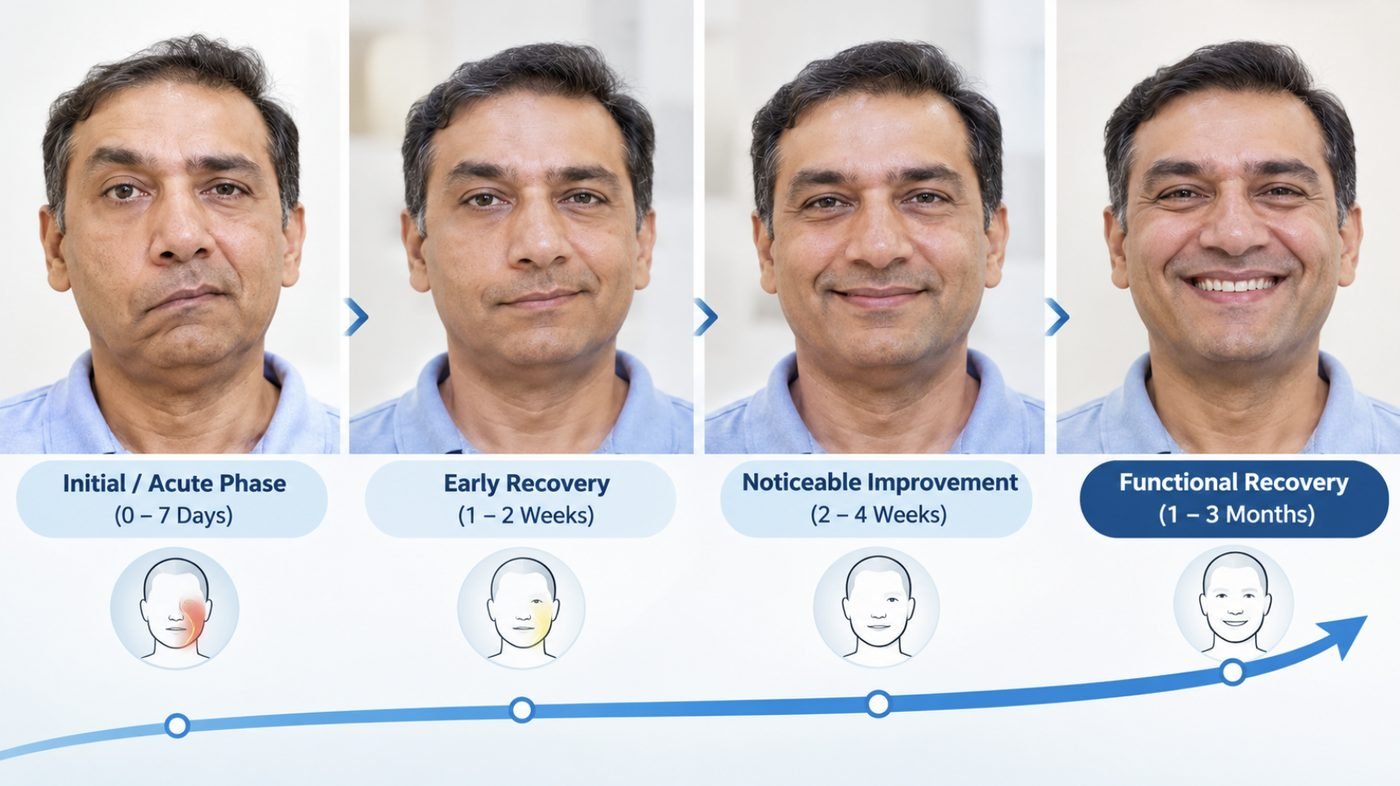
There is no fixed recovery period for right-side paralysis. The recovery timeline varies from patient to patient depending on the underlying cause, extent of brain damage, initial treatment, and rehabilitation progress.
For patients experiencing paralysis following a stroke, recovery often happens gradually through medical treatment and structured rehabilitation.
The following timeline provides a general understanding of what patients and families may expect.
1. First Few Days After Paralysis
The initial stage focuses on identifying the cause of paralysis, stabilising the patient's medical condition, and preventing further complications.
During this stage, doctors may recommend:
- Brain imaging, such as CT scans or MRI.
- Appropriate treatment based on the type and cause of stroke.
- Monitoring of blood pressure and other vital signs.
- Assessment of muscle strength and neurological function.
- Evaluation of swallowing and communication difficulties.
- Early rehabilitation assessment once the patient is medically stable.
The priority is to manage the underlying condition and establish a safe treatment plan.
2. First 2–4 Weeks: Initial Rehabilitation
Once the patient is medically stable, rehabilitation may begin under professional supervision.
During this period, the focus is generally on:
- Improving basic muscle movement.
- Practising safe sitting and standing.
- Maintaining joint flexibility.
- Improving balance and body control.
- Beginning assisted movement exercises.
- Learning basic daily activities.
Some patients may begin showing improvements in muscle movement during this stage, while others may require additional time.
3. 1–3 Months: Developing Movement and Strength
The first few months can be an important period for functional improvement.
With consistent, individualised rehabilitation, some patients may begin to:
- Move their affected arm or leg more effectively.
- Sit independently for longer periods.
- Stand with support.
- Improve balance and coordination.
- Take assisted steps.
- Perform selected daily activities with less assistance.
The amount of improvement depends on the severity of the injury and the patient's response to rehabilitation.
4. 3–6 Months: Improving Mobility and Independence
Many stroke survivors continue making meaningful progress during this period.
Rehabilitation may focus on:
- Improving walking ability.
- Developing better control of the affected leg.
- Strengthening muscles.
- Improving hand and arm coordination.
- Practising stair climbing where appropriate.
- Increasing independence in everyday activities.
However, not every patient follows the same timeline. Some may recover faster, while others need longer rehabilitation.
5. After 6 Months: Continued Recovery
Recovery does not necessarily stop after six months.
Patients may continue improving their strength, balance, coordination, walking ability, and independence through ongoing rehabilitation.
Even patients who have experienced paralysis for a longer period may benefit from reassessment and appropriately designed therapy.
According to the American Stroke Association, stroke recovery can continue for months or years, and improvements may occur even after a formal rehabilitation programme ends.
Right Side Paralysis Recovery Time in Young Patients
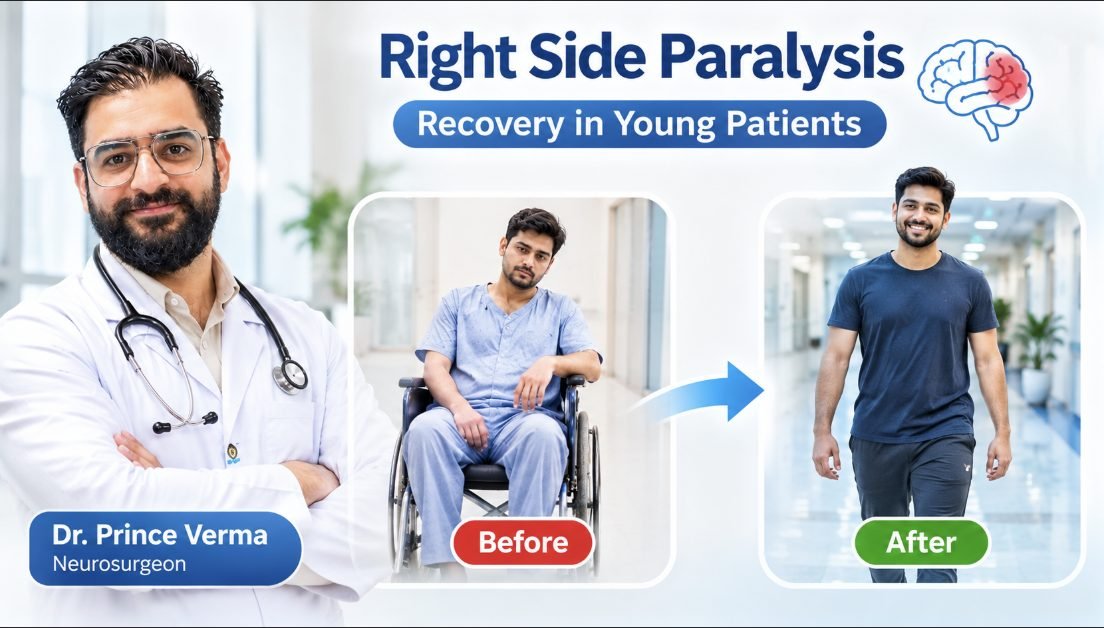
Young patients may have certain advantages during recovery, including better physical reserves and fewer age-related health complications. However, younger age does not guarantee faster or complete recovery.
The recovery period depends on the extent of brain damage, the cause of paralysis, associated medical conditions, and the effectiveness of rehabilitation.
Factors That Influence Recovery in Young Patients
1. Severity of Brain Injury
Patients with less extensive brain damage may have better opportunities for functional improvement than those with severe neurological injuries.
2. Overall Physical Health
General fitness, nutritional status, and the absence of major medical complications may support participation in rehabilitation.
3. Early Medical Treatment
Timely diagnosis and appropriate treatment of the underlying condition are important for reducing further brain injury.
4. Consistent Physiotherapy
Regular, professionally supervised rehabilitation helps patients practise movement, improve coordination, and develop functional abilities.
5. Family Support
Emotional encouragement and practical support can help younger patients remain engaged in their rehabilitation programme.
What Can Young Patients Expect?
Depending on the severity of paralysis, some younger patients may regain certain movements within weeks or months. Others may require longer rehabilitation to improve walking, hand function, speech, and independence.
The treating medical team should establish realistic recovery goals based on the patient's individual condition.
Right Side Paralysis Recovery Time in Older Patients
Older patients may experience additional recovery challenges because of age-related changes, reduced muscle strength, and other medical conditions.
However, old age alone does not mean that recovery is impossible. Many older adults can improve their mobility, regain functional abilities, and become more independent with appropriate medical care and rehabilitation.
Factors That Affect Recovery in Older Adults
1. Existing Health Conditions
Conditions such as diabetes, high blood pressure, heart disease, and other chronic illnesses may influence treatment and rehabilitation.
2. Muscle Strength and Physical Fitness
Reduced muscle strength and mobility before the stroke can make rehabilitation more challenging.
3. Bone and Joint Health
Arthritis, osteoporosis, and other musculoskeletal conditions may affect balance, movement, and exercise tolerance.
4. Cognitive and Memory Changes
Some patients may experience difficulties with concentration, memory, or understanding instructions following a stroke.
5. Rehabilitation and Caregiver Support
Older patients may require additional assistance with daily activities, mobility, and home safety.
How Can Older Patients Improve Their Recovery?
The rehabilitation programme should be designed according to the patient's medical condition and physical abilities.
It may include:
- Gentle, supervised movement exercises.
- Balance and coordination training.
- Assisted walking practice.
- Occupational therapy for everyday activities.
- Nutritional guidance.
- Fall prevention measures.
- Regular medical follow-ups.
The goal is to improve functional ability and quality of life while reducing the risk of complications.
Young vs Older Patients: Does Age Affect Paralysis Recovery?
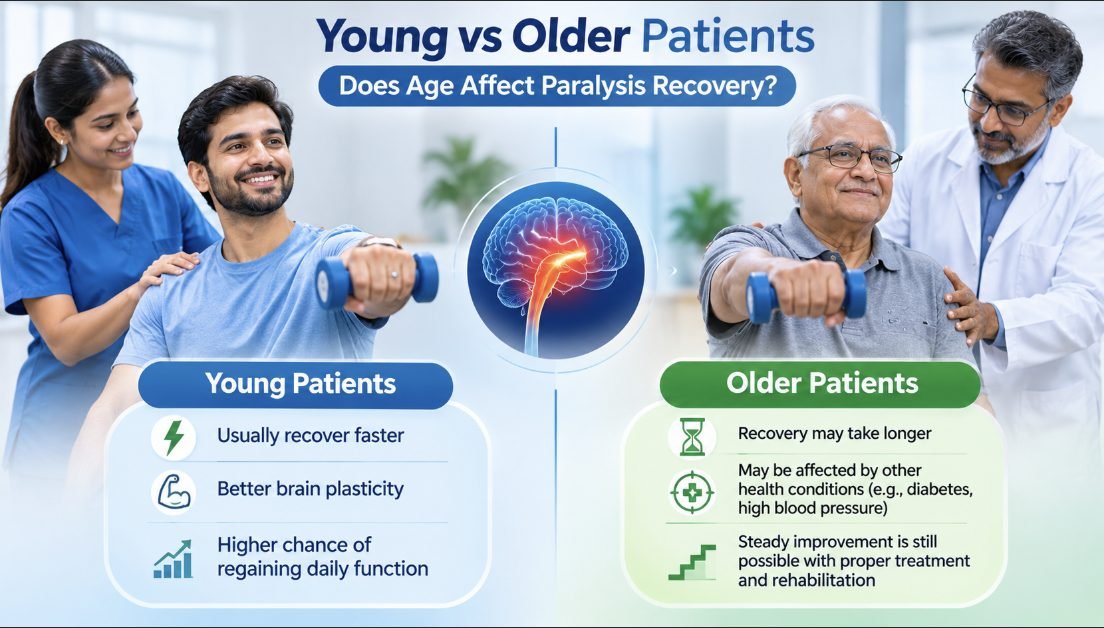
Age is one factor that may influence recovery, but it is not the only determining factor.
| Recovery Factor | Young Patients | Older Patients |
|---|---|---|
| Physical strength | Often have greater physical reserves | May have reduced muscle strength |
| Existing medical conditions | May have fewer chronic conditions | May have multiple health conditions |
| Rehabilitation | May tolerate certain activities better | May need modified exercises |
| Recovery challenges | Depend on injury severity | May include mobility and balance limitations |
| Recovery potential | Varies by individual | Varies by individual |
The important point: A younger patient with severe brain damage may have a more challenging recovery than an older patient with a less severe stroke. Individual medical assessment is more useful than comparing patients based on age alone.
Paralysis Recovery Time After Stroke: What Factors Matter Most?
Understanding the factors affecting paralysis recovery time after stroke can help patients and caregivers develop realistic expectations.
1. Type of Stroke
There are two major types of stroke:
- Ischaemic Stroke: Occurs when a blood clot blocks blood flow to part of the brain.
- Haemorrhagic Stroke: Occurs when a blood vessel ruptures and causes bleeding in or around the brain.
The treatment approach and recovery prospects depend on the type, location, and severity of the stroke.
2. Location of Brain Damage
The location of the affected brain area influences which body functions are affected.
Damage to specific areas of the left brain may result in right-side weakness or paralysis, along with possible speech and language difficulties.
3. Severity of Paralysis
Patients with partial weakness may have different rehabilitation needs from those who have complete loss of movement.
The amount of voluntary muscle movement, balance, coordination, and functional ability helps specialists plan rehabilitation.
4. Timely Medical Treatment
Early emergency treatment can be critical in reducing the effects of certain types of stroke.
Some patients may be eligible for time-sensitive treatments, depending on the type of stroke, when symptoms began, and their medical assessment.
5. Consistency of Rehabilitation
A structured rehabilitation programme helps patients practise movements and relearn daily activities.
Regular assessment allows therapists to adjust exercises as the patient's abilities change.
Can a Paralyzed Person Walk Again?
Yes, some people with right-side paralysis can regain the ability to walk, depending on the severity and location of the brain injury and their rehabilitation progress.
However, walking recovery differs between patients. Some may walk independently, while others may need a walking stick, walker, ankle-foot support, or assistance from another person.
Stages of Walking Recovery After Paralysis
- Stage 1: Regaining Basic Leg Movement. The patient begins with professionally supervised exercises to improve muscle activation and joint movement.
- Stage 2: Sitting and Maintaining Balance. Patients practise sitting upright and maintaining their body balance with or without support.
- Stage 3: Standing With Assistance. Once medically appropriate, patients may practise standing with support from a therapist or suitable equipment.
- Stage 4: Assisted Walking. Patients may begin walking practice with parallel bars, a walker, or other prescribed mobility aids.
- Stage 5: Improving Independent Walking. As strength, coordination, and balance improve, rehabilitation may focus on walking longer distances and managing everyday movements safely.
Not every patient progresses through these stages in the same way. Rehabilitation goals should be personalised.
Best Treatment and Rehabilitation Options for Right-Side Paralysis
Treatment depends on the cause of paralysis. When paralysis results from a stroke, care generally involves treating the stroke, preventing further complications, and improving lost functions through rehabilitation.
1. Medical and Neurological Evaluation
A doctor assesses the patient's symptoms, medical history, neurological function, and diagnostic reports.
Investigations may include CT scans, MRI, blood tests, and other tests based on clinical requirements.
2. Physiotherapy
Physiotherapy plays an important role in stroke rehabilitation.
It may include:
- Assisted limb movements.
- Muscle strengthening.
- Balance exercises.
- Walking practice.
- Coordination training.
- Functional movement exercises.
The programme should be adjusted according to the patient's ability and medical condition.
3. Occupational Therapy
Occupational therapy helps patients relearn everyday activities, such as:
- Eating and drinking.
- Dressing.
- Personal hygiene.
- Holding and using objects.
- Moving safely around the home.
The goal is to improve independence in daily life.
4. Speech and Swallowing Therapy
Some patients experience speech, communication, or swallowing difficulties following a stroke.
Speech-language therapists can assess these problems and provide suitable therapy.
Patients with swallowing difficulties should receive professional assessment before changes are made to their food or liquid consistency.
5. Medication and Medical Follow-Up
Doctors may prescribe medication based on the underlying cause of the stroke and the patient's individual health needs.
This may include treatment to control blood pressure, diabetes, cholesterol, or reduce the risk of another stroke.
Patients should never start, stop, or change prescribed medicines without consulting their treating doctor.
Precautions of Paralysis: Important Care Tips for Patients and Families
Following the right precautions of paralysis can help reduce complications and support safer rehabilitation.
Family members and caregivers play an important role in maintaining a safe recovery environment.
1. Do Not Force Movement
Avoid pulling, stretching, or forcing the affected arm and leg. All exercises should be performed according to the physiotherapist's instructions.
2. Protect the Affected Shoulder
A weak or paralysed shoulder can be vulnerable to pain and injury.
Caregivers should learn the correct techniques for positioning, transferring, and supporting the affected arm.
Never pull the patient by the affected arm.
3. Prevent Falls
Patients with balance difficulties need additional support.
Consider the following precautions:
- Keep walking areas free from obstacles.
- Install handrails where necessary.
- Use prescribed walking aids.
- Ensure proper lighting.
- Use non-slip footwear.
- Assist the patient during transfers when required.
4. Maintain Proper Nutrition
A balanced diet supports general health and rehabilitation.
However, patients with swallowing difficulties need an individualised food and fluid plan recommended by a healthcare professional.
5. Follow the Rehabilitation Schedule
Consistency is important. Patients should follow the exercise schedule prescribed by their physiotherapist rather than attempting excessive or unsupervised exercises.
6. Prevent Pressure Sores
Patients who spend extended periods in bed or a wheelchair may develop pressure injuries.
Caregivers should follow professional guidance on repositioning, skin inspection, hygiene, and pressure-relieving equipment.
7. Monitor Medical Conditions
Keep track of blood pressure, blood sugar, and other health conditions as recommended by the treating doctor.
8. Support Emotional Well-Being
Paralysis can affect a person's confidence, independence, and emotional health.
Family members should provide encouragement, involve patients in appropriate daily activities, and seek professional help if signs of depression or anxiety develop.
When Should You Consult a Neurosurgeon or Neurologist?
Patients experiencing paralysis need proper medical evaluation to identify the underlying cause and determine an appropriate treatment plan.
A neurologist may evaluate and manage neurological conditions, while a neurosurgeon assesses conditions that may require surgical treatment involving the brain or spine.
Consider specialist consultation when a patient experiences:
- Persistent weakness on one side of the body.
- Loss of movement in an arm or leg.
- Difficulty maintaining balance.
- Repeated neurological symptoms.
- Changes in speech or coordination.
- Symptoms associated with a brain or spinal condition.
If paralysis develops suddenly, seek emergency hospital care immediately. Do not wait for a routine specialist appointment.
Right-Side Paralysis Care and Neurosurgical Consultation at SureCure Hospital, Nagpur
Understanding the cause of paralysis and receiving appropriate medical guidance are important steps towards managing the condition.
SureCure Hospital, located on Wathoda Ring Road, Nagpur, provides neurosurgical consultation under the guidance of Dr. Prince Verma (M.B.B.S., M.S. Surgery, MCh Neurosurgery).
Patients and families can seek consultation regarding neurological and neurosurgical concerns, understand their diagnostic reports, and discuss appropriate treatment options.
How SureCure Hospital Can Help
- Neurosurgical Consultation: Evaluation of brain and spine conditions requiring specialist assessment.
- Neurological Assessment: Medical evaluation of symptoms involving the nervous system.
- Treatment Guidance: Discussion of appropriate treatment options based on individual medical findings.
- Multispeciality Healthcare: Access to additional healthcare services, including general physician consultation, dentistry, pharmacy, and pathology.
Patients recovering from stroke-related paralysis may require a coordinated rehabilitation programme involving physiotherapists and other healthcare professionals. Families should discuss rehabilitation arrangements and follow-up care with the treating medical team.
Location: SureCure Hospital, Wathoda Ring Road, Nagpur.
Frequently Asked Questions About Right-Side Paralysis Recovery
1. How long does it take to recover from right-side paralysis?
Recovery may take weeks, months, or longer, depending on the cause and severity of paralysis. Many stroke survivors experience significant changes during the first few months, but improvements can continue for years with appropriate rehabilitation.
2. Is right-side paralysis recovery faster in young patients than older patients?
Younger patients may have advantages in physical strength and general health. However, age alone does not determine recovery. The severity of brain injury, existing medical conditions, and rehabilitation are also important factors.
3. Can a paralyzed person walk again after a stroke?
Yes, some patients regain their walking ability after a stroke. The level of recovery varies. Some patients walk independently, while others require walking aids or assistance. Physiotherapy and individualised rehabilitation play an important role.
4. What are the most important precautions for a paralysis patient?
Important precautions include preventing falls, supporting the affected shoulder, avoiding forced movements, following prescribed exercises, maintaining proper nutrition, preventing pressure sores, and attending regular medical follow-ups.
Conclusion
The right side paralysis recovery time varies from one patient to another. Young patients may have certain physical advantages, while older patients may need additional support because of age-related health conditions. However, meaningful improvement is possible at different ages.
Early medical assessment, appropriate treatment, consistent rehabilitation, and family support can help patients work towards better mobility and independence.
If you or a family member is experiencing right-side paralysis, consult a qualified medical specialist to understand the cause, available treatment options, and suitable rehabilitation plan.
At SureCure Hospital, Nagpur, patients can seek neurosurgical consultation under Dr. Prince Verma to discuss brain and neurological health concerns and appropriate medical care.
Medical disclaimer: This article is intended for educational purposes only and does not replace professional medical advice, diagnosis, or treatment. Sudden paralysis or suspected stroke requires immediate emergency medical attention.